
 English
 Portugues
 Pусский
 Türk dili
Nhà sản xuất vải không dệt điện
Electrical Nonwoven Fabric Manufacturer Electrical nonwoven fabrics are specialized materials designed for applications in electrical insulation, filtration, and other industrial uses. These fabrics are engineered to provide high dielectric strength, thermal resistance, and mechanical durability, making them essential in industries such as power generation, automotive, electronics, and aerospace. Key Features of Electrical Nonwoven Fabrics 1. High Dielectric Strength – These fabrics are designed to withstand high voltages, preventing electrical breakdown in critical applications. 2. Thermal Stability – They offer excellent resistance to heat, ensuring performance in high-temperature environments. 3. Chemical Resistance – Many electrical nonwoven fabrics are treated to resist oils, solvents, and other corrosive substances. 4. Lightweight & Flexible – Despite their durability, they remain lightweight and easy to handle, facilitating efficient manufacturing processes. 5. Customizable Properties – Depending on the application, these fabrics can be engineered with varying thicknesses, densities, and fiber compositions. Manufacturing Process The production of electrical nonwoven fabrics involves several key steps: - Fiber Selection – High-performance synthetic fibers such as polyester, aramid, or glass fibers are commonly used. - Web Formation – Fibers are laid into a web using methods like carding, air-laid, or wet-laid processes. - Bonding – The web is bonded through thermal, chemical, or mechanical means to enhance strength and stability. - Finishing Treatments – Additional coatings or treatments may be applied to improve flame retardancy, water resistance, or conductivity. Applications - Insulation Materials – Used in transformers, motors, and cables to prevent electrical leakage. - Battery Separators – Provide safe separation between electrodes in lithium-ion and other battery types. - EMI Shielding – Some fabrics are designed to block electromagnetic interference in sensitive electronic devices. - Filtration Media – Used in industrial filters to remove contaminants while maintaining electrical safety. Advantages Over Traditional Materials Compared to woven fabrics or films, nonwoven electrical fabrics offer better uniformity, cost efficiency, and adaptability. Their porous structure allows for improved breathability and filtration while maintaining electrical insulation properties. Conclusion Electrical nonwoven fabrics play a crucial role in modern industrial applications, offering superior insulation, durability, and customization. Manufacturers continuously innovate to meet evolving industry demands, ensuring these materials remain indispensable in electrical and electronic systems.
Sản phẩm
Danh mục:
Vải không dệt điện
-
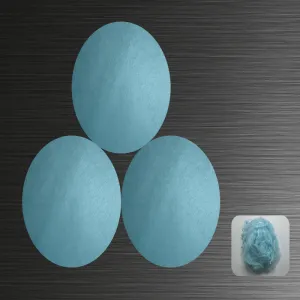
Vải không dệt điện
Phân loại của họ: Vải không dệt cách nhiệtLượt xem: 18Số:Thời gian phát hành: 2025-12-03 09:55:15Vải không dệt cách điện là vật liệu hiệu suất cao được thiết kế để cách nhiệt và bảo vệ trong các ứng dụng điện và điện tử. Không giống như vải dệt thoi hoặc dệt kim, vải không dệt được tạo ra bằng cách liên kết trực tiếp các sợi, tạo ra cấu trúc đồng nhất mang lại độ bền cơ học, độ ổn định nhiệt và tính chất điện môi tuyệt vời. Vải không dệt dùng điện được sử dụng rộng rãi trong máy biến áp, động cơ, máy phát điện, bộ cấp điện và các thiết bị điện áp cao khác, nơi mà khả năng cách nhiệt đáng tin cậy là rất quan trọng.
Tin tức
Danh mục:
-
[Company News]Những thay đổi về hiệu suất của vải không dệt dùng điện tron...
2025-12-03 14:18:59
Trường hợp
Danh mục:
Không có kết quả tìm kiếm!
Video
Danh mục:
Không có kết quả tìm kiếm!
Tải về
Danh mục:
Không có kết quả tìm kiếm!
Tuyển dụng
Danh mục:
Không có kết quả tìm kiếm!
Sản phẩm được đề xuất
-
NEWS
Vải không dệt điện
Tìm hiểu thêm



 Điện thoại